How to Prepare Your Food Business Packaging for the Christmas Peak

Estimated reading time 5 minutes
Most food retailers, restaurants and distributors should place their main Christmas packaging order in September or early October, confirm delivery dates by early November and hold a top-up buffer for December. Demand for carrier bags, paper bags, food containers and cups rises sharply in the run-up to Christmas, and supply across the industry gets tighter at exactly the same time. Planning early is the simplest way to avoid running out when trading is at its busiest.
This guide sets out a practical timeline, the products that see the biggest demand increases and how to avoid supply gaps during peak trading.
Why Christmas puts pressure on packaging supply
Christmas is the busiest trading period of the year for most food businesses. Basket sizes grow, footfall increases, takeaway and delivery orders spike around office parties and late shopping nights, and many businesses take on extra seasonal lines. At the same time, packaging suppliers, hauliers and warehouses are handling peak volumes for every customer at once.
That combination means late orders are more likely to face longer lead times, part deliveries or substitutions. Businesses that plan in advance get their preferred specification, better pricing and peace of mind.
Which packaging sees the biggest demand increase?
- Carrier bags: larger shops and gift purchases drive up bag use, especially jumbo bags. Our guide to choosing the right carrier bag helps you check your specification before you order.
- Paper bags: bakeries, delis and food-to-go counters see more gift and treat purchases. Stock up on small, medium and large paper bags.
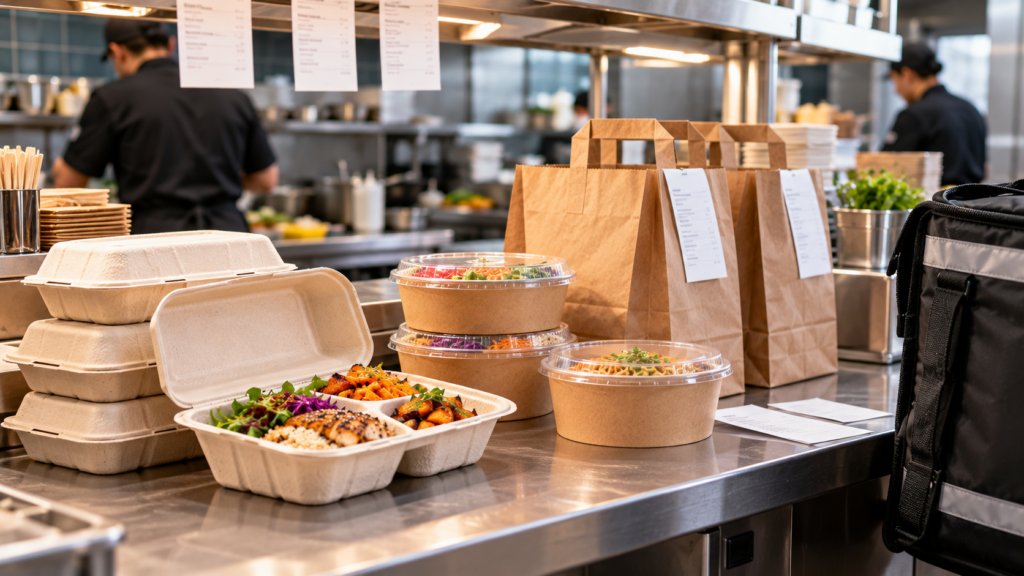
- Food containers: party food, festive menus and takeaway orders increase container use. Review your kraft bowls and microwave containers in the food containers range.
- Cups and carriers: seasonal hot drinks and shopping-trip coffees push up demand for ripple cups, lids and cup carriers from our cups and accessories range.
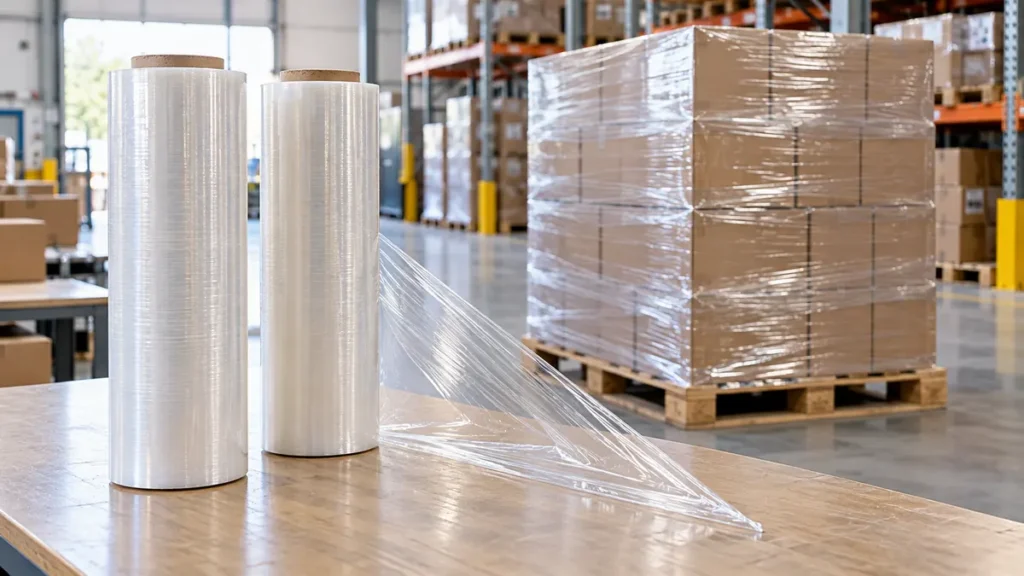
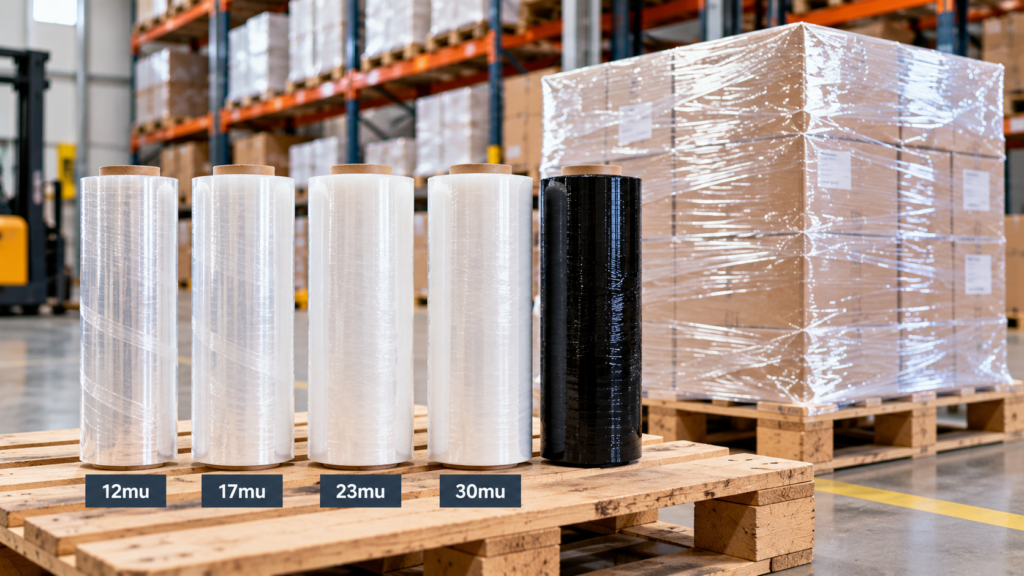
- Stretch film and pallet protection: distributors and wholesalers ship more pallets in November and December, so film use rises with them.
A Christmas packaging planning timeline
August to September: review and forecast
Look at your packaging usage from last November and December, along with any changes this year such as new stores, longer opening hours or festive menus. Calculate how much of each product you used per week and apply your expected growth.
September to early October: place your main order
Place your main seasonal order with your supplier. Agree delivery dates and quantities in writing, and split deliveries if you have limited storage space. This is also the time to make any specification changes, so they are settled before peak trading starts.
November: confirm and receive
Confirm outstanding deliveries, check stock on arrival and store it correctly. Keep cases off the floor and away from damp, as damaged packaging is wasted packaging. Set reorder points for your fastest-moving lines.
December: top up and monitor
Check stock levels weekly, or daily for high-volume lines, and place any top-up orders early in the month. Avoid relying on deliveries in the final days before Christmas, when transport networks are at their busiest.
January: review
Record what you used, where you ran short and where you over-ordered. That data makes next year's forecast far more accurate.
How to avoid supply gaps during peak trading
- Forecast by product, not by category. Running out of one jumbo bag size causes as much disruption as running out of bags altogether.
- Build a buffer. Holding two to three weeks of extra stock for your fastest-moving lines covers most delays.
- Standardise your range. Fewer product lines are easier to forecast and stock, and you buy each one in larger quantities.
- Agree a delivery schedule. Regular scheduled deliveries are more reliable at peak than one-off urgent orders.
- Avoid last-minute specification changes. Switching products in December increases the risk of substitutions and supply delays.
- Check your pallet wrap usage. Distributors can save significantly on peak film costs with the right specification. See our guide on how to reduce pallet wrap costs.
Planning tips by business type
Grocers and convenience stores: focus on carrier bags and produce bags, which see the biggest jump in use. See how we support grocers.
Supermarkets: coordinate orders across stores and set store-level reorder points, so busy branches are not left short. Read more about our range for supermarkets.
Restaurants and takeaways: plan for party bookings, festive menus and delivery spikes around office parties and weekends. Our range for restaurants and takeaways covers containers, cups, carriers and bags.
Distributors and wholesalers: agree peak volumes with customers early, then confirm your own supply of stretch film, top sheets and the consumables you supply on. Our full stretch film range covers hand and machine grades.
Frequently asked questions
When should I order extra packaging for Christmas?
Place your main Christmas packaging order in September or early October, confirm deliveries by early November and keep a buffer for December top-ups.
How much extra packaging should I order for Christmas?
Use last year's November and December usage as your baseline, adjust for this year's expected growth and add a buffer of two to three weeks of stock for your fastest-moving products.
Which packaging runs out first at Christmas?
Carrier bags, paper bags and food containers usually see the biggest increase in demand. Jumbo carrier bags and popular container sizes are often the first lines to run short.
Plan your peak packaging now
The earlier you plan, the more choice and control you have over your Christmas packaging. To review your seasonal requirements or place a peak order, contact the Eternal Packaging team.